Remove the Damaged Layer and Reveal Younger, Healthier Skin
Chemical peels offer a minimally invasive way to refresh and improve the appearance of your skin. Over time, sun exposure, acne, and aging can leave skin looking uneven, wrinkled, or discolored. By gently removing damaged outer layers, chemical peels help reveal new skin cells and create a smoother, more balanced complexion.
At Aqua Med Spa, chemical peels are guided by a team of experienced Master Inejctors and Aestheticians. This multidisciplinary approach ensures your services and treatments are selected with both skin health and aesthetic outcomes in mind.

What Is a Chemical Peel?
A chemical peel uses a carefully selected chemical solution to remove damaged outer layers of skin. This process smooths skin texture, improves tone, and encourages new skin growth that is less affected by previous damage.
When performed by a qualified provider, chemical peels are a safe and effective cosmetic treatment option. They are designed to treat surface-level skin concerns and can be customized based on your skin type and desired results. Chemical peels are most commonly performed on the face but can also improve the appearance of the neck and hands.
What a Chemical Peel Can and Can't Do
A chemical peel can help improve:
- Acne or acne scars
- Age and liver spots
- Fine lines and wrinkles
- Freckles
- Irregular skin pigmentation
- Rough skin and scaly patches
- Scars
- Sun-damaged skin
What a chemical peel won't do:
- Treat deep facial lines
- Tighten loose or sagging skin
- Remove broken capillaries
- Change pore size
- Remove deep scars
Understanding the capabilities and limitations of a chemical peel is an important part of achieving realistic and satisfying results.
How a Chemical Peel Works
Chemical solutions are applied to the skin to improve texture by removing damaged outer layers. The specific formula used will be adjusted to meet your individual needs and skin concerns.
The chemicals commonly used in chemical peels include phenol, trichloroacetic acid (TCA), and alpha-hydroxy acids (AHAs). Depending on the depth of treatment required, your provider may recommend a light, medium, or deep chemical peel.
Types of Chemical Peels
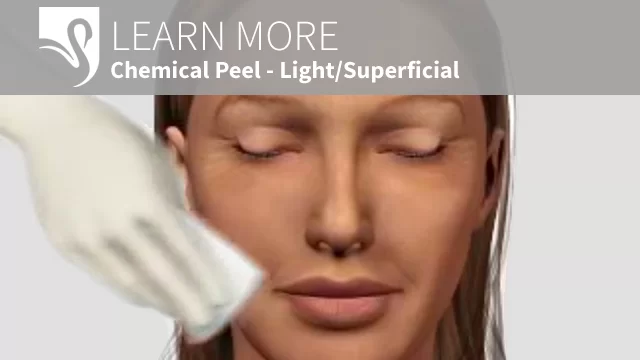
Light Chemical Peel
Light chemical peels are often recommended for patients with uneven pigmentation, dryness, acne, or early signs of fine wrinkling. This type of peel removes only the outer layer of skin (epidermis), resulting in a healthier glow with minimal downtime.
Light peels typically use mild acids such as glycolic acid, lactic acid, salicylic acid, or maleic acid. These treatments can be repeated over time to help you achieve your desired results.
Light chemical peel procedure steps:
- Your face will be cleansed
- The chemical solution is brushed onto the skin and left on for a few minutes
- Mild stinging may occur
- The peel is washed off and neutralized
Light chemical peel risks and recovery:
- Redness, stinging, flaking, and irritation
- Side effects often subside with repeated treatments
- Possible risks include hyperpigmentation and infection
- Using high-factor sunscreen helps reduce pigment changes
Medium Chemical Peel
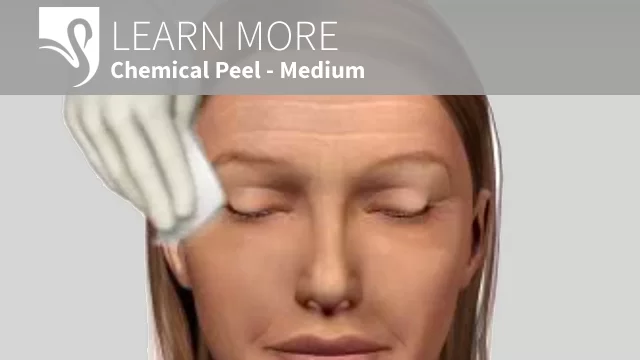
Medium chemical peels offer a deeper level of exfoliation to improve acne scars, deeper wrinkles, and uneven skin color by targeting both the outer and upper middle layers of the skin.
Trichloroacetic acid is commonly used, sometimes in combination with glycolic acid, to achieve more noticeable results.
Medium chemical peel procedure steps:
- Skin is cleansed
- Chemical solution is applied for a few minutes
- Burning or stinging may be felt
- Skin may turn whitish-gray
- Neutralization is done with a cool saline compress
After treatment, the skin may appear red or brown and can take up to six weeks to return to normal. Medium chemical peels may be repeated every few months to maintain results.
Medium chemical peel risks and recovery:
- Redness, stinging, and crusting
- Temporary or permanent color changes
- Sun avoidance is critical for several months
- Rare risks include permanent scarring
Deep Chemical Peel
Deep chemical peels are recommended for deeper facial wrinkles, sun-damaged skin, scars, blotchy areas, and some pre-cancerous growths. These peels use phenol, the strongest chemical solution, to penetrate the lower dermal layers.
Pretreatment with retinoic acid for up to 8 weeks may be required to prepare the skin and improve healing.
Deep chemical peel procedure steps:
- Sedatives and local anesthetics are administered
- Skin is cleansed
- Phenol is applied at timed intervals
- Chemical is neutralized with water
- Ointment or medicated dressings are applied
Deep chemical peel risks:
- Permanent lightening of treated skin
- Loss of ability to tan
- Increased sun sensitivity
- Added risks for patients with heart disease
Deep chemical peel recovery:
- Two weeks before returning to work
- Peeling, crusting, redness, and discomfort are expected
- Swelling typically resolves in two weeks
- Redness may last up to three months
- Results can last up to 10 years
Is a Chemical Peel Right for You?
You may not be a good candidate for chemical peeling if you have:
- A history of abnormal skin scarring
- Abnormal pigmentation
- Afro-Caribbean or Asian skin
- Facial warts
- Red hair and pale, freckled skin
- Used certain acne treatments within the past year
A consultation allows your provider to determine if a chemical peel is suitable for your skin type and goals.
Chemical Peel Cost
The cost of a chemical peel is based on your individual treatment plan and the type of peel performed. Pricing may vary depending on:
- Provider expertise and qualifications
- Type of chemical peel used
- Time and complexity of the procedure
Chemical peel costs may include:
- Anesthesia fees
- Prescription medications
- Facility costs
Be sure to ask your provider about all costs involved. Financing options may be available.
Chemical Peel Risks and Safety Information
While chemical peels are generally very safe when performed by an experienced provider, all procedures carry some risk. Possible risks include infection, scarring, and temporary or permanent changes in skin pigmentation.
Certain factors, such as hormone medications or a history of pigmentation issues, may increase risk. Patients with a history of cold sores should inform their provider, as chemical peels can trigger reactivation. Those prone to keloid scarring should also disclose this during consultation.
Questions to Ask Your Plastic Surgeon
- Are you certified by the American Board of Plastic Surgery?
- Were you specifically trained in plastic surgery?
- Is the surgical facility accredited or licensed?
- Am I a good candidate for a chemical peel?
- Who will perform my procedure?
- What results are reasonable for me?
- What recovery time should I expect?
Frequently Asked Questions
The length of time your results last depends on the type of peel performed and your commitment to proper skincare. Light and medium chemical peels often require maintenance treatments to sustain results, while deep chemical peels can produce long-lasting improvements that may persist for many years. Consistent sun protection plays an important role in maintaining your results.
Some patients see noticeable improvement after a single treatment, while others benefit from a series of chemical peels spaced over time. Your provider will recommend a treatment plan based on your skin concerns, the type of peel used, and your desired results.
Chemical peels are generally safe under experienced care, though individual skin types may have a higher risk of pigmentation changes or scarring. A consultation is necessary to determine whether a chemical peel is appropriate for your skin.
Preparation may include adjusting skincare products, avoiding sun exposure, or using prescribed medications prior to treatment. For deeper peels, pretreatment may be required to help optimize results and healing.
Why Choose Aqua Med Spa for Chemical Peels?
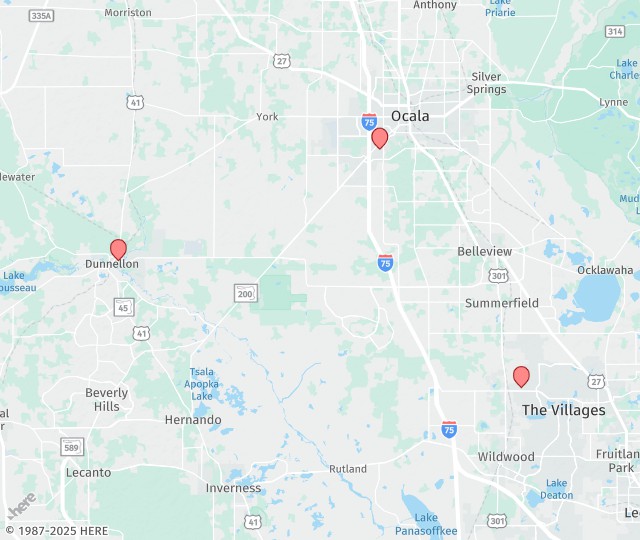
Aqua Med Spa redefines the traditional spa experience by combining advanced chemical peel treatments with medical oversight. As a medically directed aesthetic center supervised by Board Certified Plastic Surgeons, we provide a higher standard of safety and care. Our experienced Nurse Practitioners, Physician Assistants, and Licensed Aestheticians ensure every treatment is performed with clinical precision and expertise. With convenient locations in Ocala, The Villages, and Dunnellon, we deliver customized chemical peels tailored to your skin type and goals. Using the latest medical-grade products and technologies, we focus on real results—improving tone, texture, clarity, and overall radiance for a healthier, more youthful complexion.
Advanced Chemical Peel Treatments in Ocala, FL
Chemical peels are a powerful, customizable way to restore smoother, healthier-looking skin and address concerns caused by aging, sun exposure, and acne.
Whether you're looking for a subtle refresh or more dramatic skin renewal, a personalized consultation is the best way to determine which chemical peel is right for you. To learn more about your options or take the next step toward clearer, more confident skin, call the Ocala office at (352) 629-8154, the The Villages location at (352) 750-0019, or the Dunnellon office at (352) 850-8154 to speak with our team.